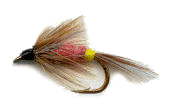
1949
Darlington Fly Fishers Club is formed
Members of Darlington Anglers' Club establish a new fly-fishing club after being offered the opportunity to lease approximately 1.5 miles of fishing from local riparian owners.
Darlington Fly Fishers Club grew from a group of local anglers who secured fishing rights on the Tees in 1949. The principles established at the beginning — limited membership and artificial fly fishing — remain at the heart of the club today.
Darlington Fly Fishers Club was formed in 1949 by members of Darlington Anglers' Club after an opportunity arose to secure fishing rights on approximately 1.5 miles of river.
The water belonged to two local riparian owners: Major H. E. Morritt of Rokeby and Mr Norman Field of Lartington Hall. They were prepared to grant the new club a ten-year lease, subject to a number of terms and conditions.
One of those original conditions was that fishing should be by artificial fly only. More than seven decades later, that remains central to the character of the club.

The club has evolved over the years, but it has deliberately remained small and closely connected to the rivers it fishes.
Members of Darlington Anglers' Club establish a new fly-fishing club after being offered the opportunity to lease approximately 1.5 miles of fishing from local riparian owners.
The first agreement was for ten years and included conditions that helped shape the club's identity, most notably fishing by artificial fly only.
Membership was initially limited to 35, with the first members drawn from the existing membership of Darlington Anglers' Club.
The committee recommended increasing membership to 40 rods. The proposal was subsequently agreed at the club's thirty-third Annual General Meeting.
The club remains intentionally small, with fishing centred on wild brown trout and grayling on the Rivers Tees and Greta, together with the possibility of migratory fish.
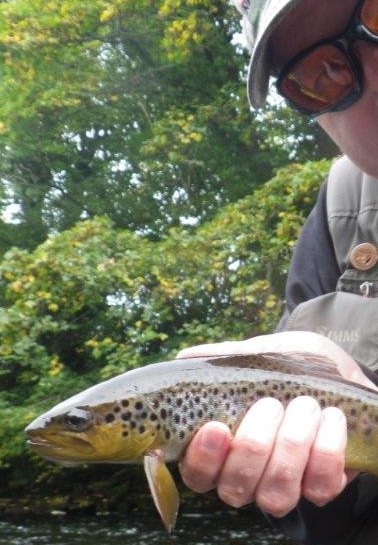
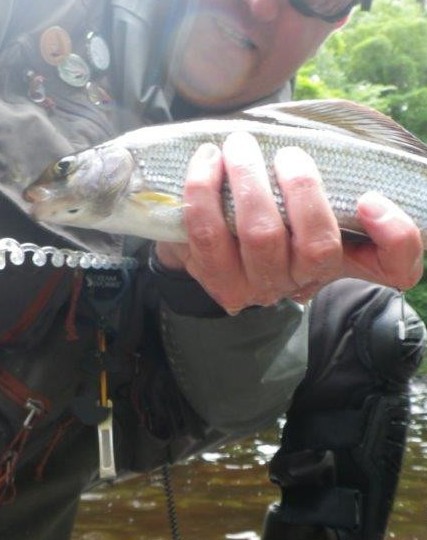
The club has naturally changed since 1949, but its purpose remains recognisable: to provide members with high-quality river fly fishing while respecting the waters and their character.
Wild brown trout and grayling remain the principal quarry species. On the Tees there is also always the possibility of encountering a sea trout or salmon.
Keeping membership limited helps preserve the sense of space and seclusion that has always been an important part of fishing these waters.
Established 1949Artificial fly only was one of the original conditions of the club's first lease — and it remains central to Darlington Fly Fishers Club today.